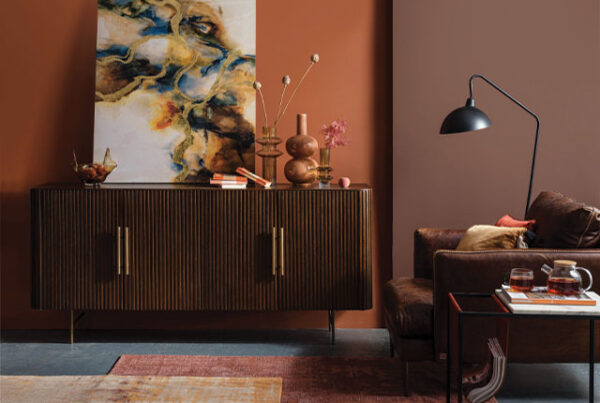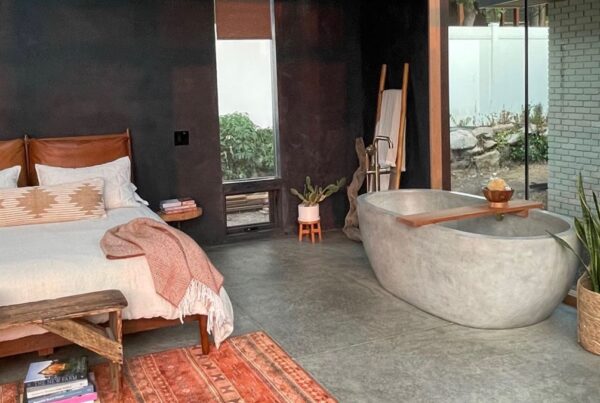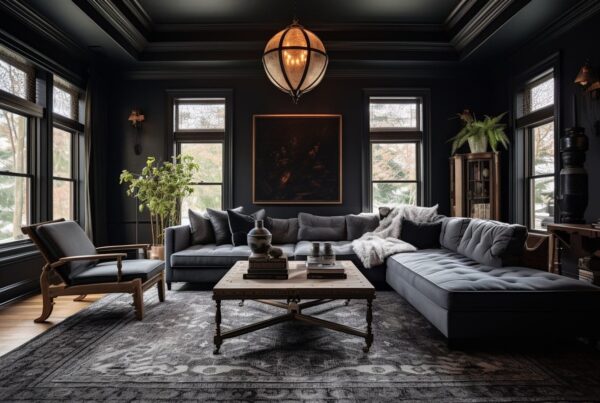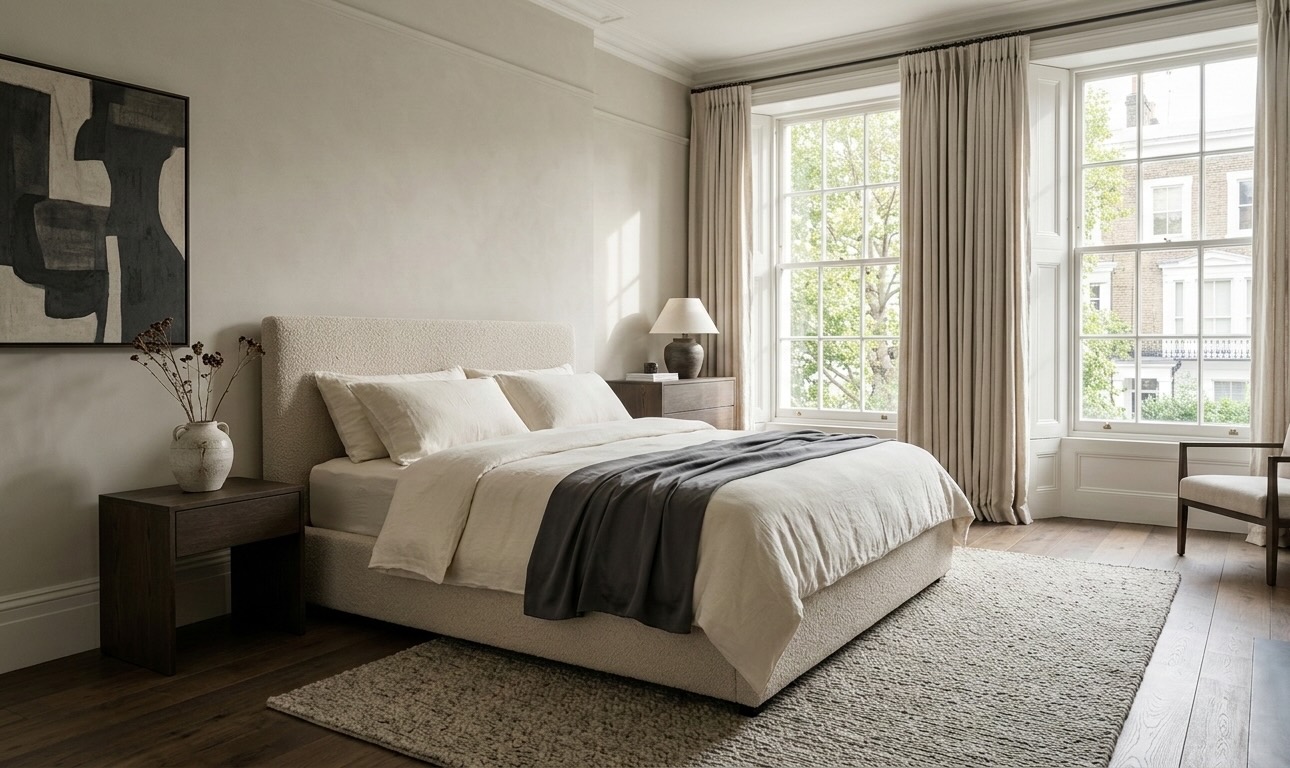
There is a specific, quiet magic that occurs when a room feels perfectly balanced. It is the sensation of stepping into a Cotswolds manor or a refined Marylebone apartment where nothing feels accidental, yet everything feels effortless. Often, this visual serenity is not the result of sheer luck but the meticulous application of the “three-colour rule”—a structural foundation that ensures even the most daring palettes remain grounded in sophistication.
Mastering the 60-30-10 rule for visual harmony
In the world of high-end design, we frequently lean on the 60-30-10 formula to distribute colour with editorial precision. This guideline suggests that 60% of your space should be dedicated to a dominant, often neutral hue, providing a cohesive backdrop. Your secondary colour should occupy 30%, adding depth and character through larger furniture pieces or drapery. The final 10% is reserved for the “disruptor”—an accent colour that provides a tactile spark of interest.
For a quintessentially British look, one might envision a dominant shade of soft stone across the walls, a secondary layer of deep forest green in the upholstery, and a final 10% of burnished brass or rich ochre found in the finer details. This distribution prevents a space from feeling monotonous while ensuring it never veers into the chaotic.
The nuance of tone and shade
A common point of discussion amongst the design elite is whether different tones of the same hue count as separate colours. In a sophisticated “Quiet Luxury” setting, we treat tones as layers rather than new additions to the palette. A midnight navy velvet sofa paired with slate blue linen cushions reads as a singular, textured colour story. This approach, often referred to as colour drenching, allows you to play with the perceived dimensions of a room—lighter tones pull the eye outward to create space, while deeper pigments bring walls closer for a restorative, cocoon-like effect.
When to evolve beyond the triad
While three is the golden number for those beginning their design journey, a curated home can certainly support up to five distinct shades. However, exceeding this limit often risks the “riot on the senses” that we strive to avoid in premium interiors. The secret to successfully expanding your palette lies in the transition; ensure each new shade shares an underlying pigment or “temperature” with your primary trio to maintain an understated elegance.
Elevating your space with a bespoke colour story
In the grand Victorian terraces of London or the sprawling country estates of the Home Counties, the application of colour must always be considered alongside light. A shade that appears warm and inviting in a south-facing morning room may feel austere in a north-facing library. We recommend testing your chosen 60-30-10 palette against the specific natural light of your home before committing to bespoke finishes.
The Enfield Curation
To achieve this balanced aesthetic, look to the Enfield Home “Living Collections” for your secondary 30%. Our signature Gainsborough Armchair in heritage velvet serves as an exquisite secondary anchor. For your dominant 60%, the Marlow Sleep System in oatmeal bouclé offers a serene, tactile foundation that permits the rest of your palette to sing. Complete the vision with our artisanal lighting range to provide those final 10% accent highlights.